


Light + Intelligent Building Middle East 2027 Celebrates 20 Editions With 300+ Exhibitors
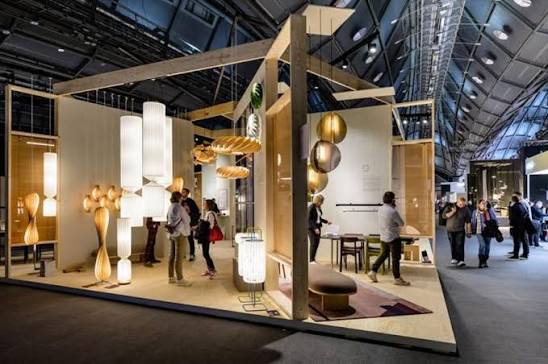
The technologies shaping the future of buildings will come together at Dubai World Trade Centre from 12 to 14 January 2027 when Light + Intelligent Building Middle East returns for its landmark 20th edition.
The exhibition has evolved far beyond its original focus on lighting.
More than 300 exhibitors are expected across seven product sectors spanning architectural and decorative lighting, electrical engineering, smart-home technology, building automation, integrated audiovisual systems and digital signage.
More than 125 industry experts are also expected to participate across conferences, workshops and industry sessions.
The 2027 edition runs alongside Intersec Global, creating a combined ecosystem around intelligent buildings, safety, security and connected infrastructure.
For architects, lighting designers, developers, engineers, technology integrators, facilities managers and contractors, the three-day event provides a view of how rapidly buildings are becoming digital systems.
Twenty Editions Reflect a Changing Industry
Lighting has changed dramatically since the event began.
Traditional incandescent and fluorescent technology has increasingly been replaced by LEDs.
Lighting controls have become more sophisticated.
Sensors can detect occupancy.
Buildings can automatically adjust brightness.
Fixtures can connect with management platforms.
Architectural lighting has become more programmable.
At the same time, building automation has expanded far beyond lighting.
Air-conditioning.
Security.
Access control.
Energy management.
Audio-visual technology.
Digital signage.
Curtains.
Elevators.
All of these systems can increasingly be monitored and controlled digitally.
This evolution explains why the exhibition now uses the name Light + Intelligent Building Middle East.
Lighting remains central.
The building around it has become intelligent too.
More Than 300 Exhibitors Are Expected
The 2027 edition brings together more than 300 exhibitors across seven specialised sectors.
This provides visitors with access to established international brands as well as specialist technology suppliers.
A lighting designer may attend to compare architectural fixtures.
An electrical consultant can examine power systems.
A hotel developer may investigate room automation.
An office designer could explore smart controls and workplace technology.
An AV integrator may focus on displays and collaboration systems.
For professionals working across Dubai and the wider Gulf construction market, the event can reduce months of product research into three concentrated days.
Lighting Is Becoming a Digital System
Modern lighting systems increasingly combine hardware and software.
Traditional lighting was relatively simple.
A switch turned a light on.
Another action turned it off.
Smart systems behave differently.
Sensors can detect occupancy.
Daylight levels can be measured.
Lighting intensity can adjust automatically.
Users can control settings through apps or central systems.
Large buildings can schedule lighting by zone.
Energy use can be monitored.
The result is that lighting becomes part of a building’s wider technology network.
Energy Efficiency Is a Major Driver
Lighting technology has already delivered major efficiency improvements.
LED systems consume much less electricity than many older technologies.
Smart controls can reduce consumption further.
An empty office does not need full lighting.
A corridor with strong daylight may require less artificial illumination.
A hotel room can automatically reduce unnecessary energy use when guests leave.
When these savings are multiplied across large developments, the financial impact can be substantial.
This is particularly relevant in markets with large commercial properties.
Human-Centric Lighting Is Growing
Lighting design is increasingly considering how different light conditions affect people.
Colour temperature and brightness can influence comfort and perception.
Offices may use different lighting during different parts of the day.
Hospital environments require careful design.
Hotels use lighting to create atmosphere.
Retailers use it to influence how products appear.
Human-centric lighting attempts to create environments that support occupants rather than simply illuminate surfaces.
This moves lighting closer to architecture and interior design.
Smart Homes Are Becoming More Mainstream
Home automation was once treated as a luxury.
Many technologies are now becoming normal.
Smart thermostats.
Connected lighting.
Automated blinds.
Video doorbells.
Voice control.
Digital locks.
Home-security systems.
The challenge is no longer simply whether these products exist.
It is whether they work together.
Consumers do not want ten different apps controlling ten different devices.
Interoperability is therefore becoming one of the biggest smart-home issues.
Building Automation Can Reduce Operating Costs
Commercial buildings contain multiple systems operating continuously.
Cooling.
Ventilation.
Lighting.
Elevators.
Security.
Pumps.
These systems can consume enormous amounts of energy.
Building automation platforms allow facilities teams to monitor and control them centrally.
A problem may be identified before occupants complain.
Schedules can be optimised.
Equipment performance can be analysed.
This can reduce both energy costs and maintenance requirements.
AI Is Entering Building Management
Artificial intelligence adds another layer.
Instead of simply following fixed schedules, future building systems can learn from patterns.
How many people normally enter at a particular time?
Which rooms remain empty?
How does outside temperature influence cooling demand?
Is a piece of equipment behaving abnormally?
Predictive systems can potentially improve efficiency and maintenance.
But the strongest building AI will probably be invisible to occupants.
People do not need a building to constantly tell them it uses AI.
They need it to remain comfortable, safe and efficient.
Integrated AV Has Become Essential
Audio-visual technology is increasingly embedded in modern workplaces, hotels, schools and public spaces.
Video conferencing has become normal.
Meeting rooms need reliable displays.
Universities use hybrid teaching systems.
Hotels need conference technology.
Retail spaces use large-format digital displays.
Control systems need to make these technologies easy to operate.
The 2027 event adds greater emphasis to integrated AV systems and digital signage, reflecting their growing connection with intelligent-building infrastructure.
Digital Signage Is Becoming Smarter
Digital signage used to mean replacing a printed poster with a screen.
Modern systems can be much more sophisticated.
Content can change remotely.
Different locations can display different information.
Retailers can update campaigns instantly.
Wayfinding systems can guide visitors.
Analytics can help understand how displays are used.
Cloud platforms can manage hundreds of screens across several properties.
The technology therefore becomes part communications system, part building infrastructure.
Hotels Are Major Smart-Building Customers
Hospitality provides an ideal example of intelligent-building technology.
Hotels want to reduce energy consumption without damaging guest experience.
Room controls can manage lighting and temperature.
Occupancy sensors can identify when rooms are empty.
Guests may control environments from tablets or phones.
Maintenance systems can identify equipment problems.
Digital signage supports events and wayfinding.
Access systems manage rooms.
The challenge is making all of this feel simple.
Guests should experience comfort rather than complexity.
Offices Are Being Redesigned Around Hybrid Work
Workplace patterns have changed significantly.
Many organisations now combine office and remote work.
This affects building design.
Meeting spaces need better video-conferencing technology.
Occupancy can vary dramatically between days.
Companies need to understand which spaces are actually being used.
Smart-building systems can analyse occupancy and help facilities teams adapt.
An office designed for 1,000 daily employees may no longer need exactly the same configuration if attendance fluctuates.
Healthcare Buildings Need Specialised Systems
Hospitals and clinics create different requirements.
Lighting needs to support medical work.
Emergency power matters.
Systems must remain reliable.
Indoor air quality is important.
Wayfinding can reduce stress.
Patient rooms need appropriate controls.
Technology can improve operations, but failure can have serious consequences.
Healthcare therefore demonstrates why intelligent-building systems need reliability, not simply advanced features.
Building Cybersecurity Is Becoming More Important
A connected building is also a computer network.
Access-control systems connect.
Cameras connect.
HVAC controls connect.
Lighting systems connect.
Elevators may connect.
This creates cybersecurity risk.
An attacker compromising building-management systems could interrupt operations.
Hotels, hospitals, offices and critical facilities therefore need to treat operational technology as part of cybersecurity strategy.
Co-location with Intersec Global is especially relevant because physical and digital building security increasingly overlap.
Electrical Engineering Remains the Foundation
Smart technology receives most of the attention, but none of it works without reliable electrical infrastructure.
Buildings still require distribution systems.
Switchgear.
Cabling.
Power protection.
Backup systems.
Electrical safety.
As buildings add EV chargers, data systems and automation, electrical demand can become more complex.
Engineers need infrastructure capable of supporting both current requirements and future expansion.
EV Charging Is Becoming a Building Issue
Electric vehicles create new demands for residential and commercial developments.
Apartment buildings need charging strategies.
Office car parks may require multiple chargers.
Hotels increasingly provide charging for guests.
Retail destinations can turn charging into a service.
But large numbers of chargers can create significant electrical loads.
Smart charging systems can manage demand rather than allowing every vehicle to draw maximum power simultaneously.
This turns mobility infrastructure into a building-management problem.
Lighting Design Influences Architecture
Good lighting does more than make buildings visible.
It can transform how architecture is experienced.
Façades can be emphasised.
Textures appear differently.
Public spaces feel safer.
Hotels can create distinctive identities.
Restaurants can change atmosphere dramatically through lighting alone.
This is why architectural lighting designers work closely with architects rather than entering only at the final stage.
Light becomes part of the design language.
THINKLIGHT Brings Designers Together
The event includes THINKLIGHT, its established conference for lighting design and technology.
Designers can discuss changing trends, sustainability, architectural integration and emerging technology.
These sessions provide an important counterbalance to the exhibition floor.
Products demonstrate what can be purchased.
Conferences explore why and how those products should be used.
The Smart Building Summit Looks Beyond Individual Products
Smart buildings succeed only when systems work together.
A property filled with disconnected smart devices is not truly intelligent.
The Smart Building Summit examines integrated approaches.
How should data move between systems?
How should building platforms be designed?
What standards should be used?
How can owners avoid being permanently locked into one supplier?
These questions become increasingly important as buildings depend on software for decades.
The Industry Is Moving Toward Lifecycle Thinking
Developers traditionally focused heavily on construction cost.
Building owners increasingly consider total lifecycle cost.
A cheaper system may consume more energy.
Poor-quality equipment may require frequent maintenance.
Technology that cannot be upgraded may become obsolete.
Procurement decisions therefore need to consider years of operation rather than only the construction budget.
Smart-building technologies can support this shift by providing data about how assets actually perform.
The 20th Edition Marks a Broader Transformation
Reaching a 20th edition is a milestone.
But the more interesting story is how much the industry changed during those years.
Lighting became digital.
Buildings became connected.
Energy performance became central.
Cybersecurity entered facilities management.
AV systems became infrastructure.
AI began influencing building operations.
The exhibition changed because the buildings themselves changed.
Three Days Focused on the Spaces Where People Live and Work
From 12 to 14 January 2027, Dubai World Trade Centre will bring together the technologies used to illuminate, automate, connect and manage modern buildings.
Architects will search for better design solutions.
Engineers will compare systems.
Developers will investigate technology for future projects.
Lighting designers will explore new products.
Facilities teams will look for efficiency.
AV specialists will demonstrate connected environments.
The most successful technology may be the technology occupants barely notice.
Lights respond naturally.
Rooms remain comfortable.
Meetings connect instantly.
Energy is not wasted.
Buildings remain secure.
That is the promise behind intelligent spaces.
Light + Intelligent Building Middle East 2027 provides a three-day view of how close the industry is to delivering it.